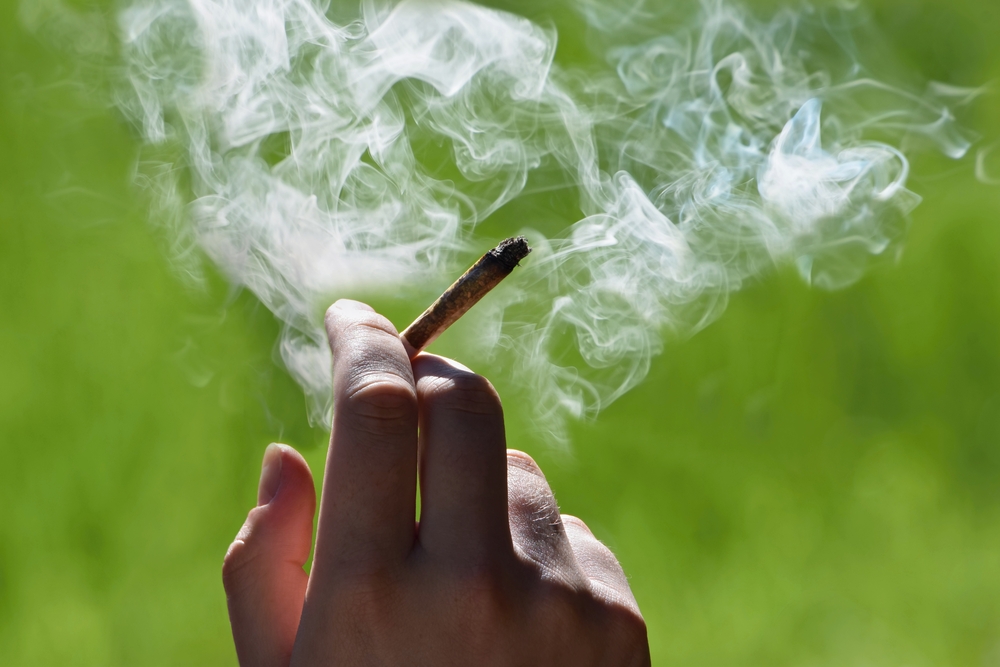
Doctors are warning about a disturbing cannabis-related condition nicknamed “scromiting,” which is sending growing numbers of users to emergency rooms.
Even though the name sounds almost funny, the experience is anything but.
Over the past decade, hospitals have reported a sharp rise in patients suffering sudden, intense nausea, nonstop vomiting, and severe stomach pain—so bad it leaves people doubled over, sometimes multiple times a year.
The cause is Cannabis Hyperemesis Syndrome (CHS).
Dr. Beatriz Carlini from the University of Washington says many people end up in the ER repeatedly before CHS is finally diagnosed—often costing thousands of dollars per visit.
Why it’s called “scromiting”
CHS episodes can last for days and often begin around 24 hours after cannabis use.
The vomiting can be so violent that some patients literally scream while throwing up—leading medical staff to coin the term “scromiting.”
Emergency physician Dr. Chris Buresh notes that regular anti-nausea medications often don’t work, and there are currently no FDA-approved treatments specifically for CHS.

Doctors sometimes rely on unusual options like:
-
capsaicin cream rubbed on the stomach
-
hot baths or showers
-
Haldol (a medication often used for severe psychiatric symptoms)
One of the biggest clues, Buresh says, is when a patient reports they feel relief after a hot shower—some even say they run hot water constantly during episodes.
Who’s at risk?
CHS can return again and again if cannabis use continues, even after symptoms go away. Doctors stress that the only real way to stop it completely is to quit cannabis.
Carlini warns that because CHS comes in waves, many users assume the vomiting was caused by something else and keep using—only to end up severely sick again later.
Scientists still don’t fully understand why CHS affects some people and not others. The leading theory is that heavy cannabis use overstimulates the body’s endocannabinoid system, disrupting how the body controls nausea and vomiting.
Buresh says there may be a personal “threshold,” meaning some people can develop CHS after far less cannabis than others.