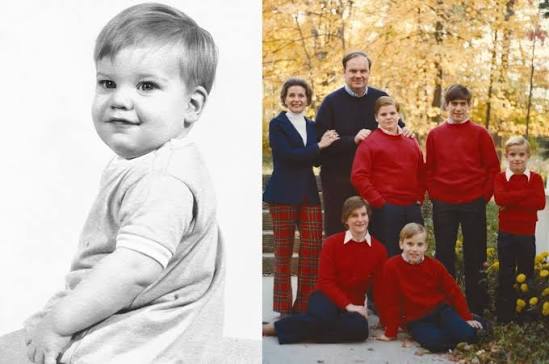
Chris Farley remains one of the most unforgettable comedic performers in television and film history. Known for his wild physical comedy, booming delivery, outrageous energy, and genuinely warm personality, Farley managed to make audiences laugh while also revealing a remarkably vulnerable and lovable side of himself. Although his career was tragically short, his influence on comedy has lasted for decades.
Rising to Stardom on Saturday Night Live
Farley became a household name in 1990 when he joined the cast of NBC’s Saturday Night Live. He quickly established himself as one of the show’s most explosive performers and became part of an extraordinary generation of comedians that included Adam Sandler, David Spade, and Chris Rock.

Unlike performers who relied primarily on clever dialogue or subtle expressions, Farley often used his entire body as part of the joke. His physical commitment to every character, combined with his booming voice and unpredictable movements, made even simple sketches unforgettable.
Among his most famous SNL moments was Matt Foley, the wildly enthusiastic motivational speaker who constantly warned people about the consequences of making bad choices. His exaggerated mannerisms and frantic speeches turned the character into one of the show’s most recognizable creations.
Another legendary moment came during the famous Chippendales audition sketch, in which Farley performed an intentionally over-the-top dance routine alongside Patrick Swayze. The sketch became one of the most memorable examples of Farley’s willingness to make himself the center of the joke.
He also became famous as one of the Chicago sports fanatics known as the Superfans, enthusiastically cheering for “Da Bears!” The character perfectly captured Farley’s ability to turn exaggerated enthusiasm into comedy.
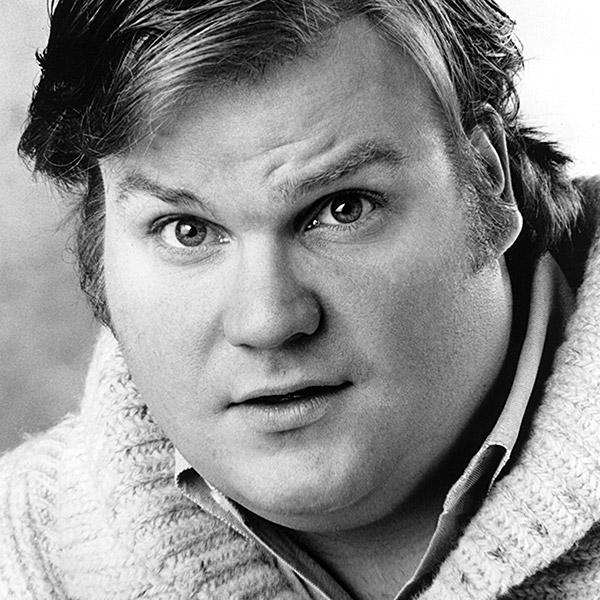
From SNL to Hollywood
Farley eventually made the transition from television to the big screen, where his unique comedic style proved just as effective.
One of his most successful partnerships was with longtime friend and fellow comedian David Spade. Together, they created a memorable comedic contrast: Spade often played the sarcastic, quick-witted character, while Farley embodied the lovable, chaotic underdog.
That dynamic became particularly successful in the 1995 comedy Tommy Boy. Farley played the well-meaning but accident-prone Tommy Callahan, bringing an enormous amount of physical humor to the role while still giving the character genuine heart.
Farley and Spade reunited for Black Sheep, continuing the same combination of sarcastic humor, chaotic situations, and unlikely friendship that audiences had enjoyed in Tommy Boy.
What made Farley stand out was his ability to combine outrageous slapstick with real emotional warmth. Beneath the screaming, falling, dancing, and physical chaos was a performer who could make audiences care about his characters.
A Tragic End
Behind Farley’s enormous success, however, he faced serious personal struggles. The pressures of sudden fame were accompanied by long-running battles with substance abuse.
On December 18, 1997, Farley died at just 33 years old. His death brought an abrupt end to a career that had already made an enormous impact on comedy.
Farley’s life was tragically short, but his work has never disappeared. His Saturday Night Live sketches continue to be remembered and replayed, while films such as Tommy Boy remain beloved by generations of comedy fans.
His legacy is not defined only by the number of laughs he created. It also comes from the extraordinary openness he brought to his performances. Farley never seemed afraid to look ridiculous, vulnerable, or completely out of control if it meant making an audience laugh.
That uninhibited spirit is what continues to make him so special.
Decades after his passing, Chris Farley remains a symbol of fearless physical comedy and genuine comedic joy. His performances remind audiences that sometimes the most memorable entertainers are the ones who give everything they have to the moment—and Farley always seemed to give his entire self.