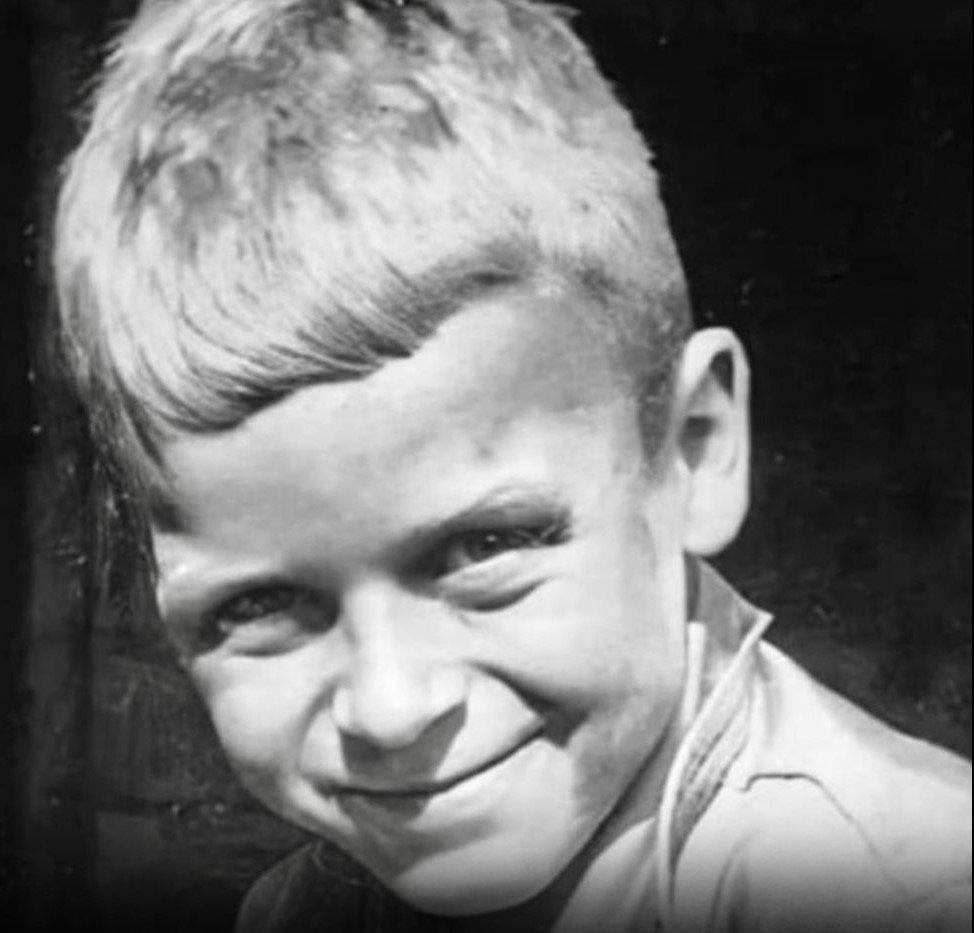
He was a quiet, polite boy from a small town—seemingly ordinary. He delivered newspapers, joined the Scouts, and blended in so well that no one could have imagined what he would later become.
The idea that the innocent-looking child in this photo would grow up to be one of history’s most notorious criminals is almost impossible to process.
And the truth about his early life was disturbing from the start:
His “sister” was actually his mother.
When childhood is shaped by secrecy, instability, and emotional damage, even the most normal-looking kid can grow into something far darker.
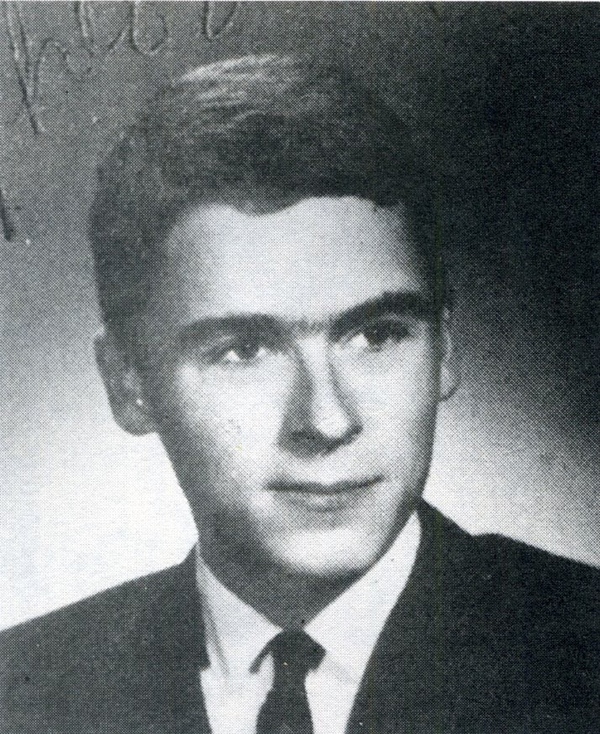
A childhood built on lies
Born in Burlington, Vermont, in 1946, the boy’s father was never officially identified. Rumors swirled that his birth may have involved incest. He spent his first two months in a home for unmarried women before being sent to live with his grandparents.
His mother, Louise, reportedly considered adoption—but her father, Sam, insisted the child remain in the family and be raised in Philadelphia.
So the boy grew up believing his mother was his sister.
Some accounts say he figured out the truth early on. As he later recalled, he sensed that Louise’s attention didn’t feel like a sister’s, and the age gap didn’t make sense. He claimed he simply “knew” as he grew up that she was really his mother.
Exactly how he found out is still debated. One version says he discovered his birth certificate as a teenager and froze when he saw “Unknown” listed for his father. Another version, told in Phantom Prince by his longtime girlfriend Elizabeth, says a cousin mocked him as a child, calling him illegitimate—and even showed him the birth certificate as proof.
Early warning signs
He was raised in Philadelphia by his grandparents, who were introduced to him as his parents. In later interviews, he spoke warmly about them, and neighbors described the family as respectable and pleasant.
On the surface, his childhood seemed normal. He played with friends, participated in Scouting, and showed interest in girls.
But there were unsettling moments.
His aunt once said she woke up to find him placing knives beside her while she slept. She remembered thinking it was strange—but no one reacted, and nothing was done.
Even people who knew him as a child struggled to reconcile the boy they remembered with the man he became. One childhood friend later said they couldn’t connect the excited kid who loved the first snowfall with the image of a future killer.
Still, other details suggest his youth wasn’t as stable as it looked. He was teased for a speech problem, struggled socially, and was humiliated in school. Despite being athletic, he was repeatedly rejected from sports teams. By high school, he had become withdrawn and isolated.
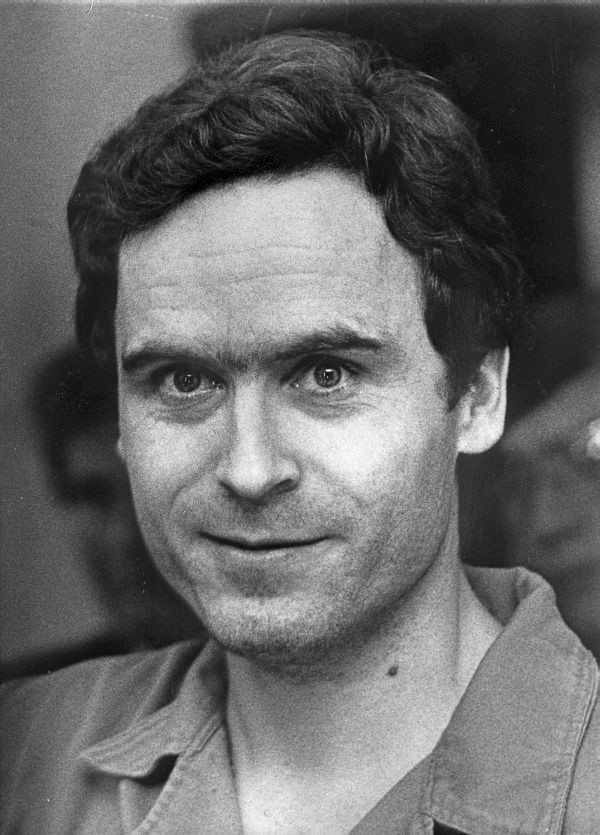
Execution and aftermath
Bundy received death sentences in Florida for murders committed there. As his execution neared, the public reaction was intense. Reports described crowds gathering outside the prison, cheering and setting off fireworks. Some even wore shirts with slogans like “TOAST TED” and “BURN BUNDY.”
After years of failed appeals, Bundy was executed in the electric chair at Florida State Prison on January 24, 1989.
He declined a special last meal, though he was served the standard prison menu.
His final words were unexpectedly calm.
“I’d like you to give my love to my family and friends,” he said.
Outside the prison, crowds celebrated, while others held signs demanding justice for his victims. Witnesses described him strapped to the chair with a black hood over his face before the switch was pulled.
Even in his final months, Bundy spoke about his crimes in a cold, detached way. Former FBI agent William Hagmaier later said Bundy described murder as something rooted in control—not emotion—revealing how deeply self-centered and calculating he truly was.
Despite everything known, many investigators still believe his full victim count may never be confirmed.