- How Scar Cover-Up Tattoos Help People Reclaim Their Story
- The Deeper Meaning Behind Scar Cover-Ups
- Popular Tattoo Designs That Blend Art and Meaning
- The Skill Behind Scar Tattooing
- Restoring Confidence and Self-Image
- Healing Through Creativity
- Changing Social Attitudes
- Important Things to Consider
- A Personal Choice Rooted in Strength
- Conclusion: From Scar to Symbol
How Scar Cover-Up Tattoos Help People Reclaim Their Story
For many, scars carry deeply personal memories — of survival, recovery, and resilience. While they can be reminders of painful chapters, more people today are choosing to transform those marks into meaningful tattoos that celebrate strength rather than hide the past.
Instead of concealing their experiences, individuals are redefining them. What once symbolized hardship can become a powerful piece of art that reflects growth, courage, and renewal.
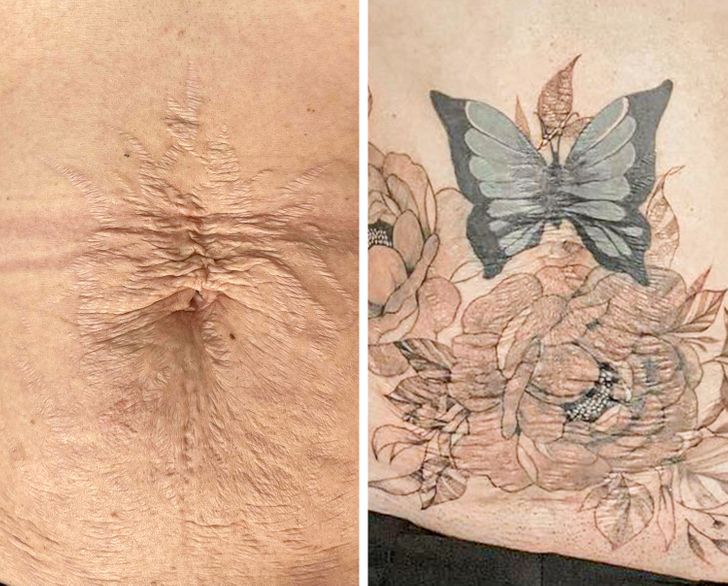
In recent years, scar cover-up tattoos have gained significant attention — not only for their visual impact but for the emotional healing behind them. Across social platforms and tattoo communities, powerful before-and-after stories reveal how art can become part of the recovery process.
The Deeper Meaning Behind Scar Cover-Ups
Unlike many traditional tattoos, scar cover-ups often carry profound emotional weight. For many people, the goal isn’t simply to disguise a mark — it’s to reclaim ownership of their body and narrative.
By reshaping a scar into a purposeful design, individuals shift their perspective from trauma to triumph. This reframing can boost confidence and encourage a healthier self-image.
Designs are often chosen for symbolic value. Some opt for imagery representing rebirth or transformation, while others select empowering words that serve as daily affirmations of resilience.
The transformation frequently goes beyond physical appearance, fostering acceptance and renewed self-confidence.
Popular Tattoo Designs That Blend Art and Meaning
Nature-inspired designs are among the most requested. Flowers, vines, butterflies, and leaves are common choices, symbolizing renewal and beauty emerging from adversity. These patterns can be shaped to flow with the scar’s natural lines, making the artwork look intentional and harmonious.
Short quotes and motivational phrases are also popular, offering emotional encouragement alongside aesthetic change.
Others prefer abstract patterns or detailed linework that integrate the scar seamlessly into a larger visual concept, creating subtle yet striking results.
The Skill Behind Scar Tattooing
Tattooing over scar tissue requires advanced experience. Scarred skin differs in texture and elasticity, which affects how ink settles and heals.
Professional artists typically assess the scar’s age and condition before beginning. Fully healed scars tend to produce the best results. Skilled tattooists adjust shading, color blending, and placement to complement — not fight against — the natural contours of the skin.
This thoughtful process ensures both safety and artistic success.
Restoring Confidence and Self-Image
One of the most meaningful outcomes of scar cover-up tattoos is improved self-esteem. Marks that once caused discomfort or self-consciousness can become symbols of pride and survival.
In a world where appearance often shapes perception, these transformations help many feel more comfortable in social and professional spaces.
Choosing the design and undergoing the process itself can be empowering — a declaration of moving forward rather than being defined by the past.
Healing Through Creativity
Art has long been connected to emotional recovery. Turning scars into intentional artwork can create a powerful sense of ownership over one’s body.
For individuals whose scars resulted from surgery, accidents, or life-altering events, this transformation doesn’t erase the past — it reframes it. The tattoo becomes a reminder of endurance rather than pain.
Many describe it as a turning point: a visible symbol of resilience and personal growth.
Changing Social Attitudes
Public perception of tattoos has shifted dramatically in recent years. What was once viewed as unconventional is now widely embraced as a form of self-expression.
Scar cover-up tattoos, in particular, are increasingly recognized as representations of healing and empowerment. As more people share their journeys, the visibility of these transformations helps normalize diverse expressions of beauty and recovery.
Important Things to Consider
Although scar cover-ups can be life-changing, preparation is essential. Consulting both a medical professional and an experienced tattoo artist is strongly advised.
The scar must be fully healed before tattooing to minimize complications and ensure proper ink retention. Design choices should also be carefully considered, as some styles are better suited to certain types of scars.
Thoughtful planning often leads to more meaningful and satisfying results.
A Personal Choice Rooted in Strength
Choosing to cover a scar with a tattoo is deeply personal. For some, it signifies closure. For others, it marks a new beginning.
Each design tells a story — subtle or bold, private or expressive — but always rooted in the individual’s journey.
It’s not about erasing history. It’s about reshaping it with intention.
Conclusion: From Scar to Symbol
Scar cover-up tattoos are more than aesthetic enhancements — they are powerful statements of healing and resilience. By transforming physical reminders of hardship into meaningful artwork, people take control of their narrative.
In a world that increasingly values authenticity and personal storytelling, these tattoos stand as lasting symbols of hope, courage, and growth.
They remind us that healing is possible — and that even life’s most difficult marks can become part of something beautiful.