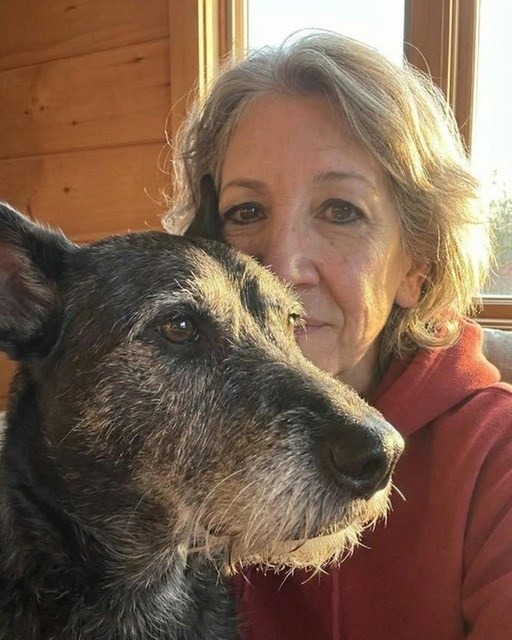
I adopted the oldest dog in the shelter because I knew she had only a few weeks to live. Her name was Daisy, and the decision felt like a stone in my chest even as I finished the adoption paperwork.
My husband, Daniel, and I had long since settled into what seemed to be a perfectly regular life. Our little brick home was in a quiet area with lots of trees.
Every home on our street had the same air of precise upkeep, with recently trimmed lawns and methodically patient flowerbeds. Our own home, with its light blue shutters and small porch swing, gave the appearance of a life that had followed all rules.
We looked like a couple who had done everything right: diligent financial preparation, stable employment that paid the bills on time, and calm nights spent at home.
However, appearances were misleading. Our home had become more and more silent between us over the years. It was neither the quiet of easy companionship nor the tranquility of mutual understanding.
There was an enduring emptiness that neither of us could resolve, a silence that sat heavily on the chest. Daniel and I had been trying to conceive for almost half of our marriage, clutching onto hope that gradually, slowly, became more piercing with every setback.
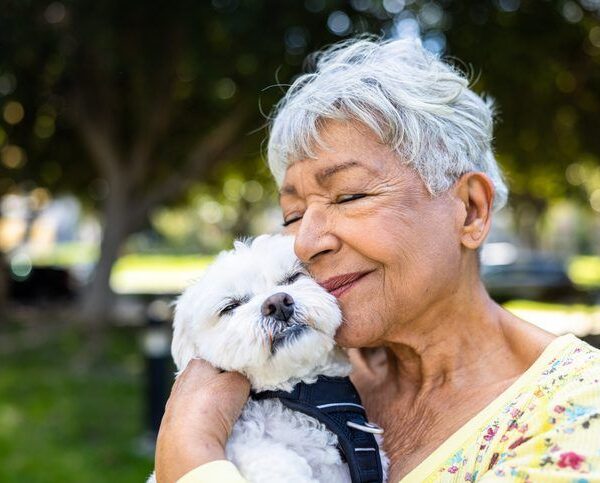

That Saturday morning, we traveled to the local animal shelter, where pain and hope coexisted in the same atmosphere. There was a faint, harsh, but familiar smell of disinfectant and fur about the building. There was continual barking within.
Dogs of many sizes and ages swirled around in cages, their tails wagging impatiently and their claws scraping at barriers they couldn’t escape. Volunteers moved quickly between kennels, carrying food, cleaning cages, and gently talking to the nervous animals.
My gaze went to a calmer corner amid the cacophony of youthful vitality and restless desire. There, Daisy lay on a threadbare blanket.
She had gray-flecked fur, a slightly arched back, slow, deliberate breathing, and was feeble, far older than any other dog in the room. Unlike the younger dogs, she did not bark or jump.
She didn’t jump at the bars or yell for attention. However, her tail made a deliberate small tap on the ground when I knelt in front of her, almost like a tiny hand reaching for mine.
She had an ancient wisdom in her deep, aged brown eyes, as though she had seen the world in ways that most people would never.
In that still, motionless moment, something shifted in my chest. For a brief moment, I was certain that she was the puppy I was meant to take home.
Daniel’s response was immediate and sharp. He flinched back, his face vacillating between confusion and disbelief. He said, “We are not signing up to watch that,” in a tone that was a mixture of fear and annoyance.
He was hard to fathom my decision to select a dog who was definitely nearing the end of her life. He perceived it as a call to melancholy and unnecessary suffering. But I saw something strange.
A miracle was not necessary for Daisy. She needed a home that could provide her with peace, affection, and a few weeks, perhaps a month or two, of dignity.
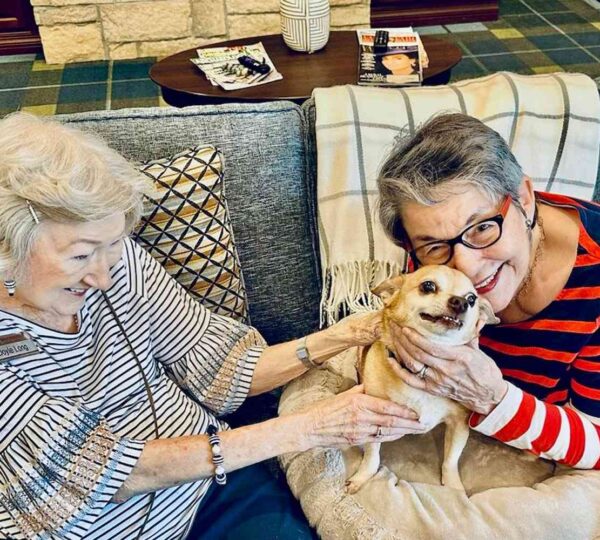
I was willing to face the grief in order to give her last days a compassionate and meaningful touch since her tranquil presence spoke to something my heart had been missing for years.
After much consideration, we made the decision to bring Daisy home. Her initial steps into our home were methodical and cautious, as though she was attempting to discern whether this foreign area could possibly be safe.
She sniffed the corners, paused close to the couch, and then took a seat on a small blanket I had put in the sunny nook of the living room.
That evening, Daniel and I sat at the kitchen table and watched her sleep, her chest rising and falling in the slow rhythm of an old dog’s life. With the birth of another living creature, so delicate and trustworthy, the atmosphere in our home began to shift.
Over the next few days and weeks, Daisy made minor but meaningful adjustments in our lives. She followed a straightforward and endearing daily schedule: she slept most of the day, occasionally prodded me for a scratch behind my ears, and gave Daniel a soft wag when he arrived home.
Taking care of her became become a shared responsibility and a personal routine that neither of us had anticipated. We were able to reconnect via small acts of compassion like cooking for her, filling her water dish, and petting her silvery, silky fur.
We were talking again, first about ourselves, then about her comfort, her health, and her favorite foods. After years of hibernation, talks began to revive in brief but earnest eruptions.
The sunlight flowing through the living room windows, the tranquil cadence of our own breathing, and the warmth of a shared evening meal were all emphasized by Daisy’s presence.
She reminded us of the beauty of fully experienced moments, even if they are fleeting, the subtle yet profound value of acts of kindness, and the relevance of small joys. Daniel would smile quietly as he watched her sleep in the couch’s corner and occasionally reached down to pet her fur.
The weight that had built up between us over the years started to be replaced by something fragile and delicate—hope, connection, and an openness we had thought was gone.

Despite her declining health, Daisy never stopped adding warmth and energy to our house. Her breathing got harder, her steps slowed, and she grew weaker every day.But the assurance in her eyes, the soft pat of her head against our hands, and the way she would curl up in the bright spot of the window became a source of comfort, joy, and guidance.Taking care of her provided as a reminder that love, no matter how brief, may cure scars that time cannot, and that life may contain enormous beauty even in its dying moments.
Daisy curled up between Daniel and me as we sat on the couch one tranquil morning while the snow drifted softly outside. Instead of discussing the past or the pain we had gone through, we gently discussed the present—the warmth of her body, the softness of her fur, the peaceful rhythm of her breathing.
The years of calm between us were meaningless in that moment, as we came to the knowledge that sometimes the smallest individuals may make the most influence on our emotions.
To make sure she was comfortable in her final days, we went above and above. We gingerly lifted her into the car and drove to the park in the crisp but not harsh winter air.
With unanticipated determination, she raised her tired legs, smelled the ground, and lay on a blanket we placed beneath a tree, silently taking in her surroundings.
As we silently laughed at her small deeds, we marveled at how such a tiny creature could teach us so much about patience, presence, and unconditional love.
Daisy passed away quietly in our arms, surrounded by cozy scents. The accompanying sorrow was profound and predictable, however it was matched with thankfulness.
She had given us a wonderful gift: a reminder that love can heal even the most silent wounds, restore relationships, and arouse hope, even in its most transitory form.
Our home, which had formerly been weighed down by routine and unacknowledged pain, was now replete with memories of love, compassion, and the understanding that life, no matter how brief, is meaningful when spent with those we care about.
Daisy ended up providing us more than we could have ever dreamed for. She illustrated to us that leaving our hearts open, even for a short period, can have lifelong implications.
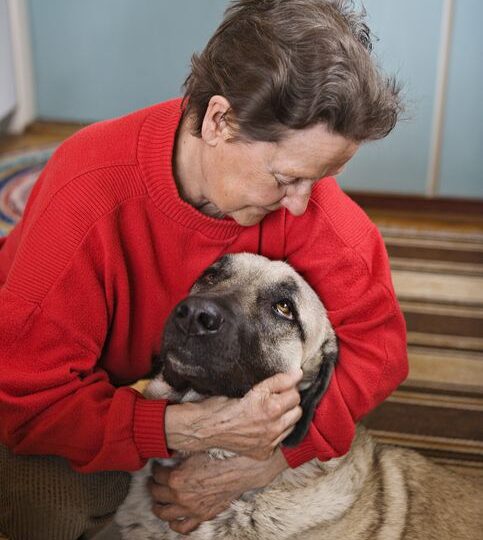
She reminded us that the beauty of life is not just defined by duration but also by the strength of the ties we build, the compassion we provide, and the love we dare to offer despite the certainty of loss.
Consequently, Daisy’s memory lives on in a house that was once quiet. The quiet times in between chats, the little acts of kindness we now show each other, and the soft warmth of a sunbeam on the floor are all signs of her presence.
She didn’t spend much time with us, yet her impact endures. She showed us that love doesn’t need perfection or permanence; it just needs us to be fully there for those who are most in need of us.
We discovered that even the smallest, weakest lives may reveal the darkest corners of our own hearts.