For most of us, food is about flavor, enjoyment, and survival. However, millions of people around the world can die from a simple lunch.
Would you eat something that could kill you? The majority of people use food as subsistence, however some meals are very dangerous, yet people still eat them. Let’s look at ten of the most dangerous foods in the world and the justifications for their continued consumption.
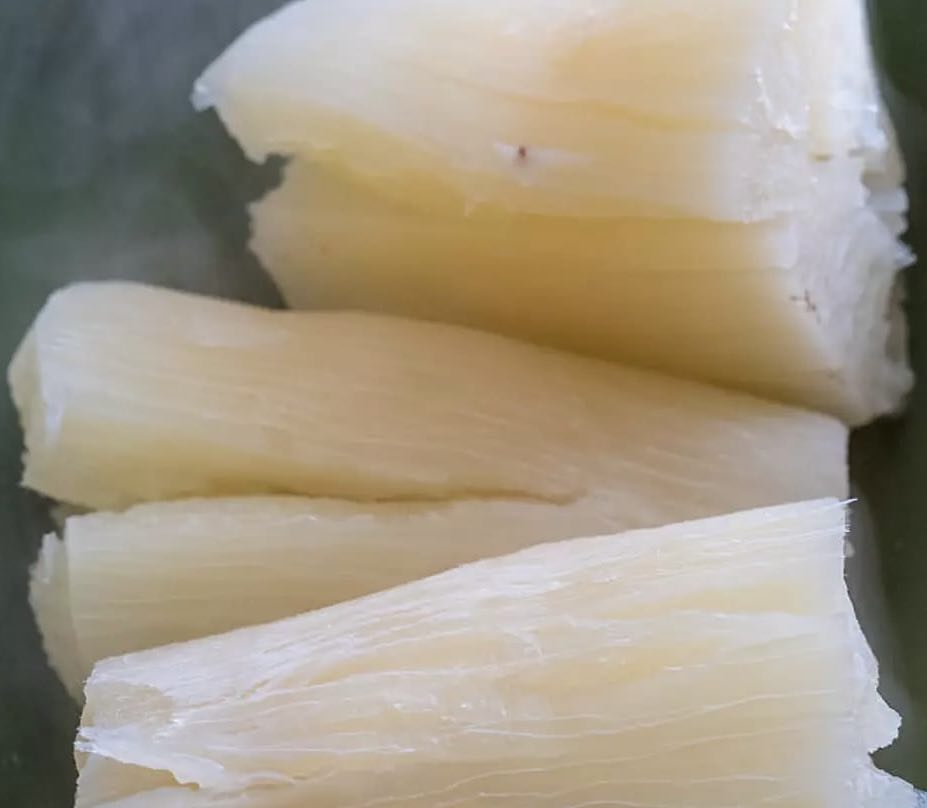
A cyanide-laced staple
Despite its seemingly innocuous appearance, cassava’s roots and leaves contain cyanogenic glycosides, which break down into cyanide when consumed raw or improperly processed. This can lead to cyanide poisoning, which can cause paralysis, goiters, and even death.
According to the World Health Organization (WHO), cassava poisoning claims the lives of about 200 people annually, making the root vegetable the “deadliest food in the world.”
Despite the concerns, the WHO claims that cassava gives more than 800 million people in nearly 80 nations a lifeline. It is a good source of essential carbohydrates, drought-resistant, and simple to grow. Proper processing, including soaking, fermenting, drying, or boiling, lowers the cyanide levels, making it safe to eat. For many, it’s not a choice but a need for existence.
A lethal treat
The BBC claims that the toxin found in the pufferfish used to manufacture fugu, a Japanese delicacy, is “200 times more deadly than cyanide.” Trotrodotoxin poisoning has been described as “rapid and violent,” resulting in death, paralysis, and numbness around the mouth. The unlucky diner is conscious till the very end. There is no counteragent.
The Japanese Ministry of Health reports that approximately 50 individuals, primarily amateurs and fishermen, are poisoned annually, with some of them dying as a result.
Blowfish is a delicacy in Japan and is often cooked as sashimi or in hot pots, despite the dangers. Only highly skilled and licensed chefs are allowed to prepare it, ensuring that the toxic parts (liver, ovaries, and intestines) are carefully removed. Because of the little tingling feeling brought on by the residual toxins, fugu is an exhilarating experience for risk-takers.
Unidentified Neurotoxin
The neurotoxins included in starfruit do not harm most people, but they can cause death in those with kidney impairment. In those who are affected, the poison accumulates and can lead to convulsions, confusion, and even death. Symptoms could appear in a matter of hours, starting with hiccups, vomiting, or weakness.
If your kidneys are in good shape, you can safely eat starfruit. The fruit, which has a sweet-tart flavor and a high vitamin C content, looks like a yellow five-pointed star.Rich in potassium, “which lowers your risk of a heart attack or stroke,” and antioxidants, the fruit is a great anti-inflammatory, according to WebMD.
Delectable candies with a deadly core
Cyanide is created when amygdalin, which is present in apple seeds and cherry pits, is broken down or digested. This can cause nausea, lightheadedness, respiratory problems, and even death if taken in excess.
Although the fruit itself is good, the pits should never be crushed or consumed. If a cherry pit is broken apart, poisons are released, but if you swallow it whole, it won’t harm you.
poisonous side dish
When exposed to light, green potatoes produce chlorophyll, which is completely safe. But “it can also encourage the production of certain compounds,” including solanine, which “can be toxic to humans in high doses,” according to Healthline. However, reports of severe illness are rare.
Excessive food consumption may result in paralysis or coma.
Green potatoes are safe, though, if you peel them properly. Any with a green tinge or developing eyes should be thrown away to avoid poisoning.
Inherently insane
Raw cashews also contain uruseiol, the toxin found in poison oak and poison ivy.
According to Healthline, “if you handled or consumed cashews in their raw form, you would probably have a reaction like that of poison ivy, such as an itchy and inflamed skin rash that may cause a burning sensation.”
However, since they have been shelled and cooked to remove any urushiol residue, cashews that are labeled as raw at the grocery store are safe.
Note: Mango skin also contains uruseiol.
It’s not worth the trip.
Nutmeg is a spicy spice that contains myristicin, a chemical that has an impact on the nervous system. When used in excess, it can cause hallucinations, nausea, seizures, and a fast heartbeat. Just two tablespoons can result in severe symptoms that last for days, according to a study, “though in some cases psychosis has set in for up to six months.”
When used sparingly, nutmeg enhances the flavor of beverages and baked goods. But consuming too much of this seasonal spice could be harmful.
Death-causing fungi
Some wild mushrooms contain toxins that can cause organ failure and death, like the death cap that killed Pope Clement VII in 1534.
Only a “few of the 70-80 species of poisonous mushrooms are actually fatal when ingested,” but others “bear an unfortunate resemblance to edible species and are thus especially dangerous,” according to Brittanica.
It’s not necessary to avoid every mushroom! Unless you’re an expert, it’s better to stick to store-bought mushrooms.
Adorable but deadly
Did you know that part of the plant is deadly, even though it’s a typical ingredient in pies and jams? The stalks of rhubarb are entirely safe (and delicious), but the leaves contain oxalic acid, a naturally occurring toxin that can cause excessive kidney failure.
Despite being a delicious and versatile food, rhubarb leaves should be left in the compost pile. Stick to the safe areas and savor this tart treat without taking any chances!
Deadly beans
Raw kidney beans contain a toxin called phytohaemagglutinin, which can cause severe nausea and stomach cramps. Even a handful of undercooked beans might cause food poisoning.
Boiling kidney beans for at least 10 minutes removes the toxin, making them safe to consume. Nevertheless, exercise extra caution when slow boiling your chili because low heat can actually increase its toxicity rather than lessen it.
Have you consumed any of these deadly meals before? In order for us to hear from other people, tell us about the riskiest dish you have ever eaten.